In daily life, squeeze tubes are a common packaging format for cosmetics, skincare and personal‑care products. They not only protect the contents inside, but also win consumers’ favour thanks to their unique softness and ease of use. Today we will take an in‑depth look at tube structure, and how raw‑material formulation adjusts tube hardness and softness, to help you build the optimal packaging solution for your products.
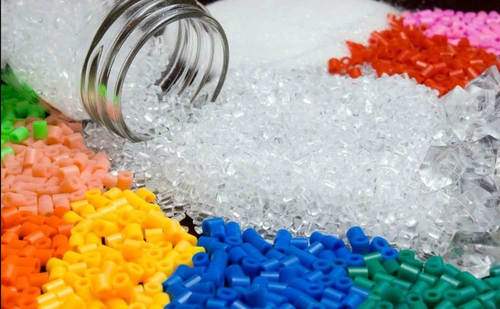
1. Diverse Selection of Tube Raw Materials
High‑quality raw materials are essential for squeeze‑tube manufacturing. Common tube‑making materials are listed below:
01. LDPE (Low‑Density Polyethylene)
It delivers excellent softness and ductility, serving as the base material for soft‑type squeeze tubes.
02. LLDPE (Linear Low‑Density Polyethylene)
Similar to LDPE, yet with higher tensile strength and tear resistance. Proper addition of LLDPE further improves tube softness and durability.
03. MDPE (Medium‑Density Polyethylene)
Its performance sits between LDPE and HDPE. It offers balanced hardness and strength, frequently used to strike a balance between tube softness and durability.
04. HDPE (High‑Density Polyethylene)
Features high hardness and abrasion resistance. Adding HDPE greatly boosts tube rigidity and anti‑deformation performance.
05. EVOH (Barrier Layer Material)
As a barrier‑layer resin, EVOH provides outstanding oxygen‑barrier performance. It effectively protects formulations against oxidation and extends product shelf‑life.
2. Exquisite Structural Design of Squeeze Tubes
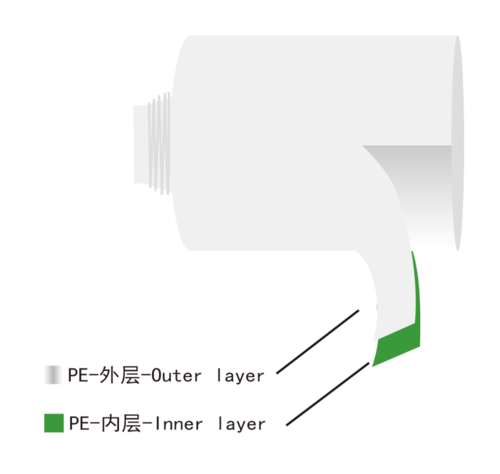
Double‑Layer PE Tubes
Double‑layer PE tubes are well‑known for softness, ductility and impact resistance. They are ideal packaging options for mild cosmetic products such as facial cleanser, hand cream and mask paste.
This simple structure consists of inner and outer PE layers. While it boasts good chemical stability, its barrier performance is relatively weak. Therefore it is more suitable for products with low barrier‑property requirements.
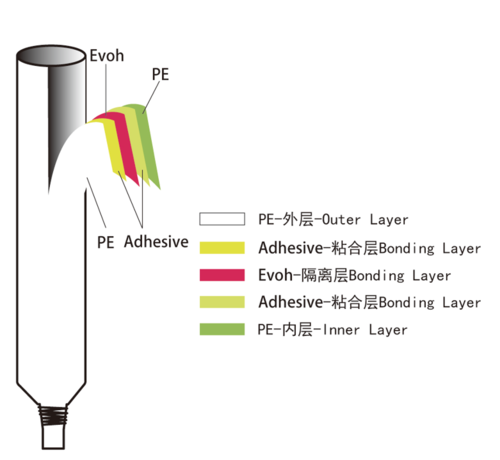
5‑Layer Tubes (PE + EVOH Barrier Layer)
5‑layer tubes are developed to upgrade barrier performance. Based on the double‑layer structure, an EVOH barrier layer is incorporated. It efficiently blocks oxygen ingress and fragrance loss, preserving product freshness and efficacy.
This structure is especially suitable for sunscreen, depilatory cream, acne‑removal and spot‑lightening products that require stable active ingredients.
3. The Craft of Adjusting Tube Hardness & Softness
Tube hardness and softness directly govern end‑user experience and brand presentation. By fine‑tuning raw‑material ratios, we realise customised hardness‑softness performance for squeeze tubes.
Tips for Softer Tubes
On the basis of LDPE or MDPE, add an appropriate amount of LLDPE. This noticeably enhances tube softness and ductility for a skin‑friendly touch, perfect for items requiring an ultra‑soft squeeze feel.
Rules for Firmer Tubes
Conversely, if you prefer sturdier, less‑deformable tubes, incorporate HDPE into base raw materials. The high density and inherent hardness of HDPE reinforce structural stability, making it a good fit for packaging that requires a certain degree of self‑support.
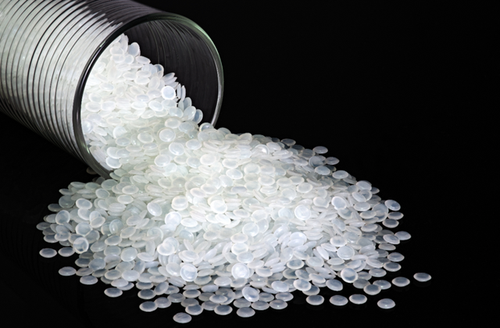
Small as squeeze tubes are, they involve considerable technical know‑how. Every step — raw‑material selection, structural design and hardness‑softness tuning — calls for careful consideration, to deliver packaging solutions that combine attractive appearance and practical function.
We hope this sharing can bring new inspiration and guidance for your packaging design.

